
What actually shapes a successful Masters experience? At a recent Access Masters event in Sofia, a panel of school representatives shared candid insights and the consensus was clear: growth happens when you stop playing it safe.
Choosing discomfort on purpose
Marissa Alperin, Associate Director of Graduate Admission at St. John’s University (US), spoke about deliberately picking the parts of the programme that scared her most. After an undergraduate degree in history and international relations, she pursued a Master in Science in Business – a near-total pivot. She sought out courses built around presentations and panel discussions, despite a long-standing discomfort with public speaking.
“I hated doing presentations, and I still get a little bit nervous, but I’m so glad that I challenged myself and stepped outside of my comfort zone to do those presentations because that allowed me to excel in my job,” she said.
The payoff that followed was a promotion and the chance to lead a team.
 Marissa’s broader point was that students should treat a Masters as an invitation to grow academically, professionally, and personally all at once. Rejection from employers is part of the process, she noted, and learning to accept a “no” without losing momentum is itself a skill the degree is meant to cultivate. It prepares graduates to keep going until they find the right “yes”.
Networking starts before day one
According to the panellist, building a professional network begins way before classes start. It begins the moment someone walks into a room like the one at the Access Masters event. “Networking is the first part of doing a Masters degree,” Marissa Alperin said, tying it back to the same willingness to present, connect, and represent oneself that defines the rest of the programme. Her advice: meet new people, take on unfamiliar classes, and pursue the electives that once felt intimidating rather than avoiding them.
From personal growth to career payoff
The moderator then shifted toward more practical territory: career outcomes after graduation. She framed the next round of questions around several connected themes – how studying and living abroad reshapes students’ perspectives. How a school’s location and business environment translate into job opportunities. And why future-ready soft skills now matter as much as technical knowledge.
Location shapes opportunity
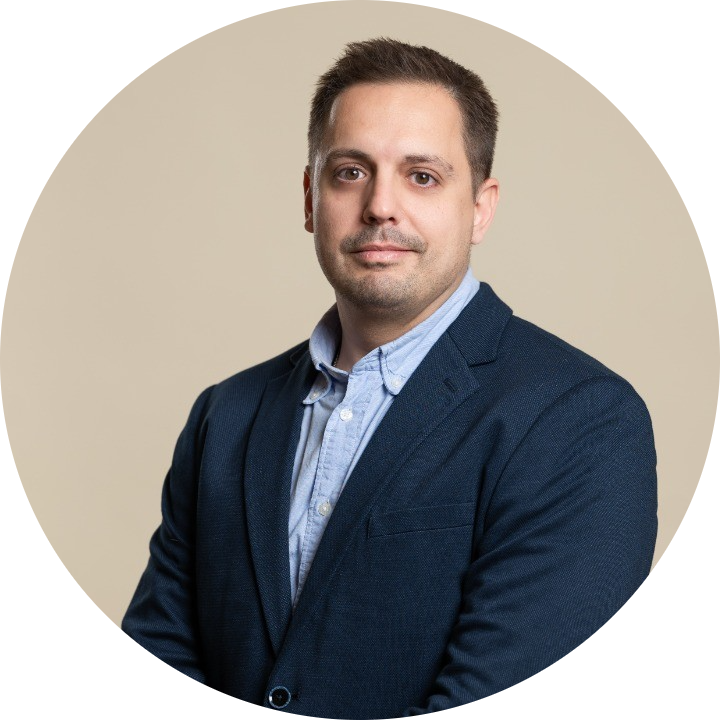 Mario Comunión Benito, Graduate Admissions Officer at CUNEF Universidad (Spain), argued that interest and initiative matter more than any single programme label. Talking to professors, engaging with the career department, and making the most of both classroom and extracurricular life all count toward future opportunities. So does language. Speaking English alongside Bulgarian, French, German, or Spanish, combined with volunteer experience and activities outside the academic track, widens the door considerably and for curious, driven students, he suggested, starting a career abroad is well worth considering.
Why soft skills now decide who gets promoted
Sardor Abdullaev, Postgraduate Admissions Advisor from La Salle Ramon Llull University (Spain), distinguished between two kinds of professional development: aptitudes, learned at almost any stage, and attitude, which has to be built deliberately. Soft skills, he argued, are the real differentiator in a crowded job market, since technical ability alone rarely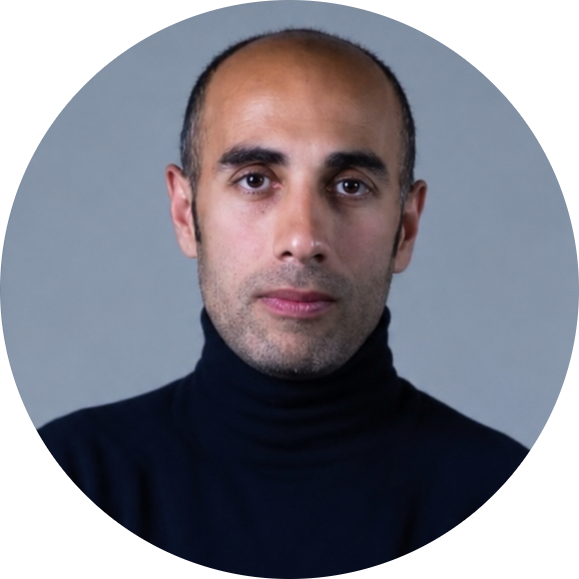 separates strong candidates. He also pointed to a generational shift in careers – where a degree once marked the end of formal study, professionals now often return to education decades later. Completing a Masters, he noted, already signals to employers that a candidate can work under pressure, operate independently, and think analytically.
The moderator agreed, recalling how social and communication skills were once treated as innate rather than learned. “It’s not that important what you say but how you say it,” she said – skills anyone can develop, provided they pair the effort with a clear sense of their own interests and a strong university behind them.
Adapting through disruption
Kristina Mihaylova, Regional Manager – and alumna – at Cesar Ritz Colleges Switzerland, representing a group of four  schools focused on hospitality, offered a case study in adaptability. When Covid-19 hit, the hospitality industry effectively collapsed and many students lost confidence in the field’s future. Some parents withdrew their support entirely. What carried students through, she said, was agility: many pivoted into different industries, applying the empathy and communication skills their hospitality training had instilled from the start.
“At the end of the day you deal with people, no matter what,” she said.
She backed this with concrete numbers: roughly 95% of students graduate with at least two job offers, supported by a recruitment forum bringing around 90 companies to campus twice a year. Career coaching starts early and extends beyond internship placement to a longer-term plan mapping out a student’s professional goals over five years.
Specialised support and strong placement rates
Marissa Alperin from St. John’s University (US) returned to the topic, describing a career services model built around five separate colleges, each with its own dedicated advisor – so a student pursuing data science works with a specialist in that field rather than a generalist, opening direct lines to relevant job openings and internships.
She reinforced that location remains decisive, citing visa guidance and STEM-designated programme extensions for international students, alongside rising demand in fields like computer science and business analytics. At her school, 96% of students secure a job offer in their field, or move on to further study such as a PhD, within six months of graduating. She encouraged students to lean on resources like mock interviews and faculty-reviewed resumes, noting that “AI can only do so much” when it comes to the personal touch employers respond to.
The panel closed with the moderator thanking the speakers for setting an energetic tone, noting that the questions from future students were, in many ways, just beginning.
This article is based on remarks from a panel discussion at an Access Masters event in Sofia, Bulgaria.


